
Football Sponsorship: How Authentic Partnerships Turn Fan Connection Into Commercial Growth
Published on
by Anna Davey
Football has always been one of the strongest platforms for brands to connect with audiences, but logo placement is no longer enough.
With years of experience building strong partnerships in sport, we explore not only why football sponsorship remains a lucrative investment for brands, but how the right partnerships can drive greater mutual commercial growth.
In this Insight:

Current Landscape
With the increased global reach generated by the men’s FIFA World Cup, the continued expansion of the women’s game and club competitions attracting larger audiences than ever before, it is clear why brands want to invest in football sponsorship. However, exposure is no longer the main driver of value.
Choosing the right partner to enhance the fan experience and create meaningful connections with supporters is building consumer loyalty, strengthening brand credibility and driving commercial growth beyond what brand awareness alone can achieve.
When values align and a partnership genuinely enhances the fan experience, it creates a far stronger connection with audiences.
For both brands and sports rightsholders, these authentic connections are what drive long-term commercial success, sustainable organisational growth and the overall continued growth of the game.
As fans become more intentional and selective about the brands they engage with, we explore how successful sponsorships must be built on collaboration.

Why Brands Continue to Invest in Football
Sponsorship investment remains an essential component of brands' marketing strategies due to its unique ability to simultaneously deliver visibility, engagement, and emotional connections with audiences in ways that other marketing tools often cannot.
The success of a partnership is determined by strategic alignment, effective communication, meaningful brand activations, and ongoing collaboration between the brand and the rightsholder.
Sport sponsorship enables brands to achieve measurable results and deeper consumer engagement through sport’s year-round presence and its power to forge emotional connections with fans worldwide.
Football remains the world's most popular sport with a global reach extending far beyond that of any of its rivals. Recent editions of the FIFA World Cup continue to show this, with Statista reporting that the 2022 FIFA World Cup engaged over five billion people and World Data reporting that the 2026 edition is projected to exceed that with six billion cumulative engagements
It therefore comes as no surprise that football sponsorship remains one of the most lucrative forms of sponsorship for brands as it provides the opportunity to build personal and emotional connections with fans on a scale that few, if any, other marketing platforms can achieve.

Why Visibility Alone Is No Longer Enough
Traditional sponsorship has tended to focus on brand awareness, whereas modern sponsorship is focused on creating meaningful interactions with audiences.
This evolution has its roots in several factors, including fans being more commercially aware, the rising expectations of brands and rightsholders, and the fact that success of campaigns are now measured through engagement, loyalty, sentiment, and fan experience, not just broadcasting metrics and impressions.
Supporters now want brands to enhance their fan experience rather than simply relying on logo placement. When brands demonstrate an actual understanding and alignment with their club, league and fan culture, they create a much stronger connection with new audiences.
Consumers now recognise when a partnership feels forced and transactional, leaving both brands and rightsholders vulnerable to criticism.
When brands and rightsholders work collaboratively, sponsorships generate value for all stakeholders, including richer and more impactful experiences for fans.

What Makes A Partnership Authentic
The collaboration between brands and sports rightsholders feel most authentic when they are built on combining brands expertise with the rightsholder’s fan knowledge. If brands understand audience behaviour, interests, and passions, it will allow the collaboration to deliver activations tailored to fan's needs and preferences.
If the campaign messaging aligns with the fan experience and products and services are integrated in a useful and relevant way, fans are going to feel that the brand is a more natural part of the club or league.
When brands and rightsholders come together on a sponsorship campaign, clear alignment of objectives is essential. For example, Arsenal Football Club and TCL partnered with SPORTFIVE to deliver two campaigns that combined Arsenal’s pursuit of excellence with TCL’s mission to inspire progress through technology.
By bringing these objectives together, SPORTFIVE created two emotive brand films featuring players from Arsenal’s men’s and women’s teams, showcasing how TCL's products can enhance emotional football moments and inspire the next generation of fans. This enabled both the brand and rightsholder to achieve success within the campaign and meaningfully connect with audiences through an emotive and engaging platform.
Authentic partnerships like this show the impact of going beyond matchday and stretching past a single season. Year-round activations and long-term commitments help brands become a genuine part of the fan experience, driving stronger trust, acceptance and engagement.
Authentic Partnerships and Fan Engagement in Action

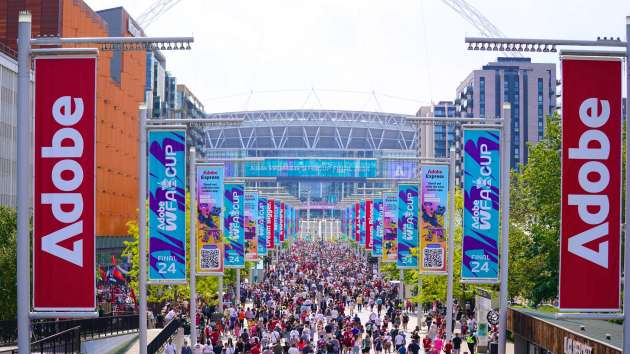


Creating Better Experience For Fans
Sponsorship rights provide access, but activation creates value. Fans increasingly expect exclusive content, unique experiences and behind-the-scenes access, and the right partnership enables brands to become a meaningful part of those moments.
Effective activations enhance the fan experience by bringing supporters closer to clubs, leagues and competitions, whether through improved matchday experiences, compelling storytelling or greater accessibility.
This can take many forms, including co-branded content, exclusive ticket or merchandise access, athlete Q&As, fan zones, support for fan travel, celebration of fan milestones, and social media campaigns that encourage fan participation and user generated content.
International fan engagement programmes also offer a further opportunity to expand reach and build deeper connections with audiences globally.

How Authentic Partnerships Drive Commercial Growth
Authentic partnerships create mutual commercial growth for brands and rightsholders. The revenue generated through sponsorships provides clubs, leagues and competitions with vital investment that can be reinvested into facilities, fan engagement initiatives, talent development and the long-term growth of the sport.
For brands, partnerships offer far more than visibility. By aligning with rightsholders that fans already trust and are passionate about, brands can reach new audiences in a more authentic way, driving deeper engagement and building stronger levels of loyalty.
Rightsholders benefit not only from additional investment but also from the expertise, platforms and resources that brand partners bring. This can help enhance the fan experience, expand audience reach, create more engaging content and unlock new opportunities to connect with supporters both locally and globally.

The Wider Impact
Sponsorship investment provides funding that supports the growth and development of the sport. This growth goes beyond direct commercial gains but positions the partnership as an investment into the future of the sport and the wider community.
This consequently creates and builds on a positive perception amongst fans, communities and stakeholders, as well as improving brand sentiment for the campaign.
Initiatives included in the development of the sport include growing women’s football, funding grassroot programmes, expanding into new markets, investment into new technologies, improving accessibility for fans, and enabling leagues and clubs to invest in infrastructure, facilities and talent development.
The wider impact also stretches to local communities by being able to fund social impact programmes, demonstrating the social value of football beyond the competitions.
For clubs, the financial stability that sponsorships provide allow them to execute long term planning instead of relying on short-term decision making, as well as providing sustainable revenue streams that can be reinvested.

Looking Ahead
Football sponsorship remains one of the most powerful ways for brands to drive commercial growth.
However, as audiences become more selective about the brands they engage with, organisations that move beyond logo placement to create relevant, year-round experiences will be best positioned to build trust, strengthen loyalty and unlock long-term growth.
Ultimately, the question is no longer whether football sponsorship works, but how brands and rights holders can work together to create partnerships that resonate with supporters.
The most successful partnerships are built on shared values, audience understanding and meaningful collaboration, enabling brands and rights holders to enhance the fan experience while delivering measurable business outcomes.
Whether you're a brand looking to connect with new audiences or a rights holder seeking to maximise partnership value, SPORTFIVE can help create meaningful collaborations that deliver results for fans, partners and the wider game.
FAQs
In modern sports, several different types of partnerships exist, all of which can generate significant value.
Sponsorship deals are perhaps the most common form of sports partnerships. Companies invest in sports teams or events in exchange for advertising and brand exposure. These deals provide financial support to the teams and help sponsors connect with their target audience.
Strategic alliances involve two or more sports organisations coming together to achieve common goals. This could include sharing resources, facilities, or even talent. Such partnerships can lead to improved facilities, enhanced scouting networks, and ultimately, better performances on the pitch.
Successful sports teams recognize the importance of engaging with their local communities. Community partnerships involve initiatives such as youth sports programs, charity events, and education. These partnerships not only create goodwill but can foster a committed and engaged fan base.
In today's digital age, media collaborations are key. Sports teams and media outlets often join forces to collaborate on engaging content, including exclusive interviews, behind-the-scenes footage, and live broadcasts. These partnerships boost visibility for both parties.
Sponsorship is the financial support for a sporting event, organisation or athlete by an outside body, for the mutual benefit of both parties. At the professional level this tends to be by companies, to raise the profile of their brand by associating it with the athlete.
The company aims to generate brand awareness and customer recognition, whilst the event, organisation or athlete receives a boost in funding.
A popular example is a brand logo printed on a team shirt. Visibility is guaranteed, even more so in the modern world with social media and online highlights.
In the land of media and marketing rights today, there is no cookie-cut solution for brands, and a simple logo placement will not provide the sufficient return on investment (ROI) for sponsorship, nor does it give their target audience the “why?” - the reason to spend their money and engage with the product.
Companies investing in sports sponsorship need to look at the bigger picture to engage with fans and not rely on just one piece of inventory.
A brand partnership is a mutually beneficial agreement between two or more businesses. All parties agree to help one another by promoting and sponsoring each other or creating content together.
Brand partnerships aim to increase brand recognition and ultimately boost sales and customer loyalty.
In sports, co-branding exists, where two or more companies jointly promote their brands, services, and products through cross-marketing efforts.
This can include anything from social media posts, advertisements, and commercials to events and appearances by high-profile athletes and celebrities.
Sports partnerships can be defined as a new level of sports sponsorships: they represent a tighter-fitted collaboration between sports and businesses or brands.
Partnerships are less based on standard marketing benefits and more tailor-made on the company’s specific needs, and several company levels are involved in the sports project: from marketing to Research & Development, from production to management.
Partnerships tend to be focused on the improvement and development of specific products or services, and are usually long-term. They can be very effective on the customers and clients, who witness a true affinity with some of the world’s most winning properties. Partnerships are often multidimensional and multi-layered, with the development of new tech, as well as new products and the marketing that comes with them.
Sports sponsorship lets brands create emotional content and become an integral part of fans’ daily lives. Every year, over 58 billion euros* are invested in sports sponsorship around the world as a way of reaching and acquiring customers through fan engagement.
€58bn* global volume in sports sponsorship in 2018
A sports marketing agency is a specialised firm that focuses on promoting and enhancing the brand image of sports-related entities, including athletes, teams, leagues, and sports events.
These agencies operate at the intersection of sports and marketing, offering a range of services to clients looking to maximise their visibility and commercial success within the sports industry.
Sports marketing agencies devise and implement strategies to build and manage brand partnerships, negotiate sponsorship deals, organise promotional events, and leverage digital and traditional media for effective outreach.
They play a crucial role in creating and executing marketing campaigns that resonate with sports enthusiasts and broader audiences, aiming to boost engagement, revenue, and overall brand value for their clients in the dynamic and competitive world of sports.
Marketing is crucial in sports for several reasons. Firstly, it enhances the visibility and popularity of sports teams, athletes, and events, attracting a broader audience and increasing fan engagement. Effective marketing strategies help create a strong brand image, fostering a connection between fans and their favourite teams or athletes. This emotional connection often leads to increased fan loyalty and support, translating into higher ticket sales, merchandise purchases, and overall revenue for sports organisations.
Moreover, marketing in sports plays a pivotal role in securing sponsorships and partnerships. Brands are drawn to sports entities with a significant and engaged fan base, offering lucrative opportunities for sponsorship deals. These partnerships not only provide financial support but also contribute to the overall prestige and marketability of the sports brand.
In the contemporary landscape, digital marketing and social media have become integral components of sports marketing, allowing for real-time interaction with fans, personalised content delivery, and global reach. Social media platforms serve as powerful tools to amplify the sports narrative and engage with fans on a more intimate level.
Ultimately, successful sports marketing goes beyond promoting matches and events; it cultivates a culture, builds communities, and transforms sports into a compelling and marketable entertainment product, driving the industry's growth and sustainability.
SPORTFIVE is a global sports marketing agency that specialises in sports rights, marketing, and entertainment. We work with sports organisations, clubs, and brands to create and optimise commercial opportunities in the sports industry. SPORTFIVE is involved in various aspects of sports business, including the sale of broadcasting rights, sponsorship and partnership management, stadium naming rights, and other marketing initiatives.
SPORTFIVE creates innovative, engaging solutions that are worthy of the incredible sports, athletes and partners we work with, and the passionate fans who follow them. Campaigns are built collaboratively, based on trust and transparency, and enabled by a deep understanding of the industry, the agency’s global reach, digital intelligence and creative courage.
The result is gamechanging sports partnerships that redefine standards in the sports and entertainment space.
SPORTFIVE believes in the power of five - bringing brands, rights holders, media platforms, fans and ‘us’ together through sport.
SPORTFIVE is a global sports marketing agency that specialises in various aspects of the sports and entertainment industry. The agency works with sports organisations, teams, and brands to optimise commercial opportunities.
One of SPORTFIVE's key areas of focus is the sale and management of sports media rights, including broadcasting and digital distribution deals. They negotiate and facilitate partnerships, sponsorships, and naming rights for sports entities, helping them enhance their brand value and revenue streams.
Additionally, SPORTFIVE provides expertise in marketing strategies, assisting clients in building strong connections with their target audiences. Their comprehensive approach spans across the sports business landscape, from media rights to sponsorship management, contributing to the overall growth and success of their clients in the dynamic world of sports marketing.
SPORTFIVE operates across a broad spectrum of sports, engaging with diverse disciplines and events globally.
The agency has a comprehensive portfolio that spans popular team sports, individual sports, and major sporting events. They are involved in football (soccer), which is a significant focus given its global popularity.
Additionally, SPORTFIVE is active in sports such as basketball, tennis, golf, motorsports, american football, multi-sport events such as the Olympic and the world of esports & gaming.
The agency's reach extends to various regions and markets, allowing them to navigate the unique landscapes of different sports industries.
Whether facilitating media rights deals, managing sponsorships, or developing marketing strategies, SPORTFIVE's involvement spans across a wide array of sports, showcasing their versatility and ability to cater to the commercial needs of sports organisations and brands in the ever-evolving sports market.
To find sponsorship opportunities in the sports industry, individuals, teams, or organisations can explore various avenues:
Professional Agencies: Sports marketing agencies, like SPORTFIVE, specialise in connecting sponsors with sports properties, facilitating mutually beneficial partnerships.
Industry Events and Conferences: Attending sports industry events and conferences where networking opportunities can lead to potential sponsorship deals.
Local Businesses: Reach out to local businesses that may have an interest in supporting community sports teams or events.
Sports Federations: National and international sports federations often have guidelines and programs for sponsorship, providing opportunities for collaboration.
Networking: Engage in networking within the sports industry to build connections with potential sponsors, leveraging relationships to secure sponsorship deals.
By exploring these channels, individuals and entities in the sports industry can identify and secure sponsorship opportunities that align with their objectives and contribute to the growth and success of their sports endeavours.
Establishing a partnership with an athlete, club, or federation involves a strategic approach and effective negotiation. Here are steps for each:
Athlete Partnership
Research: Identify athletes whose values align with the brand. Consider their audience demographics and market relevance.
Contact and Proposal: Reach out to the athlete or their management with a well-crafted proposal outlining the partnership benefits, objectives, and terms.
Negotiation: Discuss terms such as sponsorship duration, financial arrangements, and activation plans. Ensure mutual understanding and agreement.
Club Partnership
Research and Alignment: Research clubs that resonate with the brand's values and target audience. Align objectives with the club's goals.
Engage with Key Stakeholders:Reach out to club executives or sponsorship managers to discuss potential collaborations.
Customised Proposal: Present a tailored proposal highlighting the benefits, including branding opportunities, fan engagement, and joint marketing initiatives.
Federation Partnership
Understand Objectives: Understand the federation's goals and priorities. Align brand objectives with the federation's mission.
Engage with Decision-Makers: Reach out to key decision-makers within the federation to discuss potential partnerships.
Collaborative Planning: Work together to create a mutually beneficial partnership plan, considering financial contributions, promotional activities, and long-term goals.
Building relationships, demonstrating the value of the partnership, and negotiating terms collaboratively are key elements in establishing successful partnerships in the sports industry.
Identifying appropriate sponsorships in the sports industry involves a strategic approach which considers your brand's goals and the dynamics of the sports landscape:
Define Objectives: Clearly articulate your marketing objectives, whether it's brand awareness, audience engagement, or community outreach.
Audience Alignment: Identify sports properties that resonate with your target audience, ensuring relevance and engagement.
Brand Values: Seek sponsorships that align with your brand's values and image, creating authentic connections with the sports entity.
Research Opportunities: Explore various sports teams, events, or athletes to find opportunities that match your criteria. Look for entities with a strong and positive presence.
Evaluate Reach: Assess the reach and visibility of potential sponsorships, considering factors like broadcast exposure, social media following, and event attendance.
Budget Considerations: Ensure that the sponsorship aligns with your budget while providing significant value in terms of visibility and audience engagement.
By considering these factors, you can identify sports sponsorships that align with your brand's goals, resonate with your target audience, and contribute to a successful partnership within the sports industry.
Choosing the right sponsorship for your goals involves strategic consideration of your brand objectives and target audience. Follow these steps:
Define Objectives: Clearly outline your marketing and business objectives for the sponsorship, whether it's brand visibility, customer engagement, or community outreach.
Know Your Audience: Understand your target audience and align sponsorship opportunities with their demographics, interests, and behaviours.
Relevance: Choose sponsorships that align with your brand values and resonate with your audience, creating authentic connections.
Evaluate Opportunities: Assess potential sponsorships based on factors like reach, engagement potential, and the alignment of the sponsored entity with your brand image.
Budget Considerations: Evaluate the financial aspects, ensuring the sponsorship aligns with your budget while delivering significant value.
Negotiate Terms: Work with the sponsored entity to negotiate terms that meet your goals, ensuring a mutually beneficial partnership.
By aligning sponsorships with your brand objectives, audience demographics, and values, you can choose opportunities that effectively contribute to the success of your marketing and business goals.
If you are interested in becoming a sponsor, the specific contact person or department will depend on the entity or property you want to sponsor.
Sports Marketing Agencies: Agencies like SPORTFIVE specialise in connecting sponsors with sports opportunities. Contact their business development or sponsorship departments.
Sports Teams or Clubs: Contact the sponsorship or partnership department within the sports team or club.Look for information on the team's official website regarding sponsorship opportunities and contact details.
Sports Events or Leagues: Reach out to the event organiser's sponsorship or partnership department. Event websites often have dedicated sections providing information for potential sponsors.
Athletes: Contact the athlete's management or agent, who typically handles sponsorship inquiries. Some athletes manage their sponsorships independently, and contact information may be available on their official website or social media.
Sports Federations: Reach out to the sponsorship or business development department of the relevant sports federation. Check the official website of the federation for sponsorship guidelines and contact information.
For specific details, visit the official website of the entity you are interested in sponsoring or directly inquire through the provided contact information. If the information is not readily available, consider reaching out to the general contact line or email provided on their official platforms, and they can direct you to the appropriate department.
Tracking the return on investment (ROI) for sponsorship involves a strategic approach that considers both quantitative and qualitative metrics. Here's a step-by-step guide on how to track ROI on sponsorship:
Set Clear Objectives: Define specific, measurable goals for your sponsorship. Whether it's increased brand awareness, lead generation, or sales, having clear objectives will guide your measurement efforts.
Establish Key Performance Indicators (KPIs): Identify the KPIs that align with your objectives. These may include website traffic, social media engagement, lead conversion rates, or direct sales attributed to the sponsorship.
Use Unique Tracking Metrics: Implement unique tracking mechanisms, such as custom URLs, promo codes, or dedicated landing pages, to trace the impact of the sponsorship on specific campaigns or initiatives.
Survey and Feedback: Gather feedback from event attendees or target audience through surveys or social media. Assess their awareness of your brand, perceptions, and likelihood to engage with your products or services.
Brand Exposure and Impressions: Measure the visibility your brand receives through the sponsorship, including media mentions, logo placements, and overall brand exposure. Evaluate the reach and impressions of the sponsored content.
Social Media Analytics: Monitor social media metrics like likes, shares, comments, and follower growth. Analyse the engagement generated by sponsored posts and track any changes in your social media presence.
Lead Generation and Conversion Rates: Track leads generated during or after the sponsored event. Analyse conversion rates and attribute sales to the sponsorship, if possible.
Compare Costs and Benefits: Evaluate the costs associated with the sponsorship against the benefits achieved. This may involve calculating the cost per lead, cost per impression, or other relevant metrics.
Post-Event Analysis: Conduct a comprehensive post-event analysis to assess the overall impact of the sponsorship. Compare the results against your initial objectives and KPIs.
Qualitative Assessment: Consider qualitative factors such as brand perception, partnerships formed, and long-term relationships established as part of the sponsorship.
Regularly review and refine your tracking methods to adapt to changing circumstances and ensure ongoing improvements in your sponsorship ROI measurement.
The return on investment (ROI) in sponsoring refers to the financial gains or benefits a company receives in relation to the costs incurred through sponsoring an event, organisation, or initiative.
Determining the ROI involves assessing various factors, such as increased brand visibility, customer engagement, and potential revenue generation resulting from the sponsorship. Companies often measure ROI by analysing metrics like brand exposure, social media impressions, lead generation, and subsequent sales attributed to the sponsorship.
Effective sponsorship can yield tangible and intangible returns, including heightened brand awareness, improved brand image, and enhanced customer loyalty. ROI in sponsoring is subjective and depends on the specific goals and objectives set by the sponsoring company. Companies may use key performance indicators (KPIs) and analytics to evaluate the success of their sponsorship efforts and determine whether the investment aligns with their overall marketing and business strategies.
